

































Which Mattress Types Are Best for Changing Sleep Positions?

Mattress Types That Are Best for Changing Sleep Positions

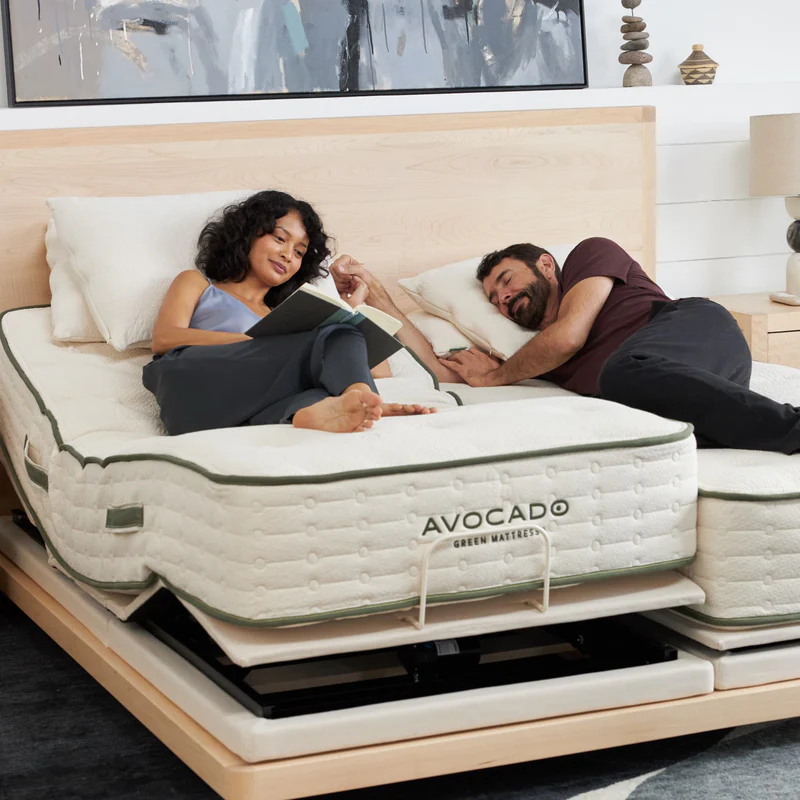
If you toss, turn, and shift from your side to your back during the night, your mattress matters more than you think. The best mattress for changing sleep positions supports your body without feeling stuck. It should move with you, not fight you. Many people wake up sore simply because their mattress does not respond well to movement.

Sleep is rarely still. Most people change positions several times a night. That is normal. The problem starts when a mattress is too soft, too firm, or slow to respond. Choosing the right mattress type can make changing positions feel natural and effortless rather than disruptive.

Let’s break down the best mattress types that work best for combination sleepers and how each one handles movement, pressure, and comfort.

What Does It Mean to Change Sleep Positions at Night?

Changing sleep positions means your body moves between two or more positions while you sleep. Many people start on their side, roll onto their back, and shift again before morning. Some change positions often without even waking up.

This kind of movement is natural. It helps relieve pressure, improves circulation, and prevents stiffness. But it also means your mattress needs to respond well to movement.

If a mattress feels slow or sticky, changing positions can be difficult. If it lacks support, each move can throw your spine out of line. The goal is to stay comfortable through every position, not just the one you fall asleep in.

What Combination Sleepers Need From a Mattress

Combination Sleepers Need From a Mattress

If you change sleep positions during the night, it’s important to keep a few things in mind when shopping for a mattress. Comfort alone isn’t enough; the mattress has to move with your body.

  • First, responsiveness matters. A responsive mattress adjusts quickly when you move. You should not feel stuck or have to push yourself out of a dip.
  • Second, balanced support is key. Your shoulders, hips, and lower back all need steady support as your body shifts. Too soft can cause sinking. Too firm can create pressure.
  • Temperature also plays a role. Overheating often leads to more tossing and turning. A mattress that sleeps cooler can help you settle faster after each move.

Best Mattress Types for Changing Sleep Positions

Best Mattress Types for Changing Sleep Positions

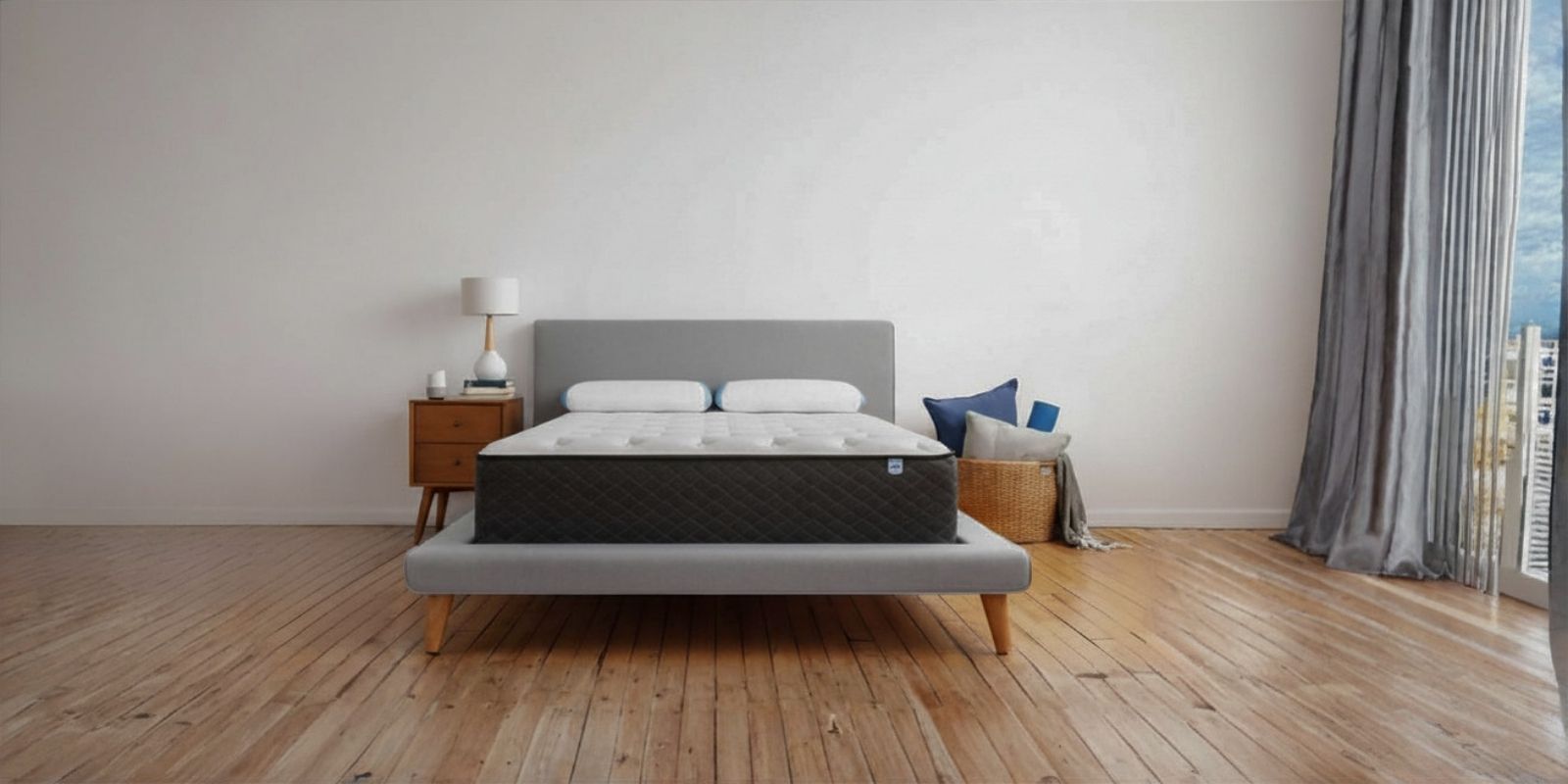
1. Hybrid Mattresses

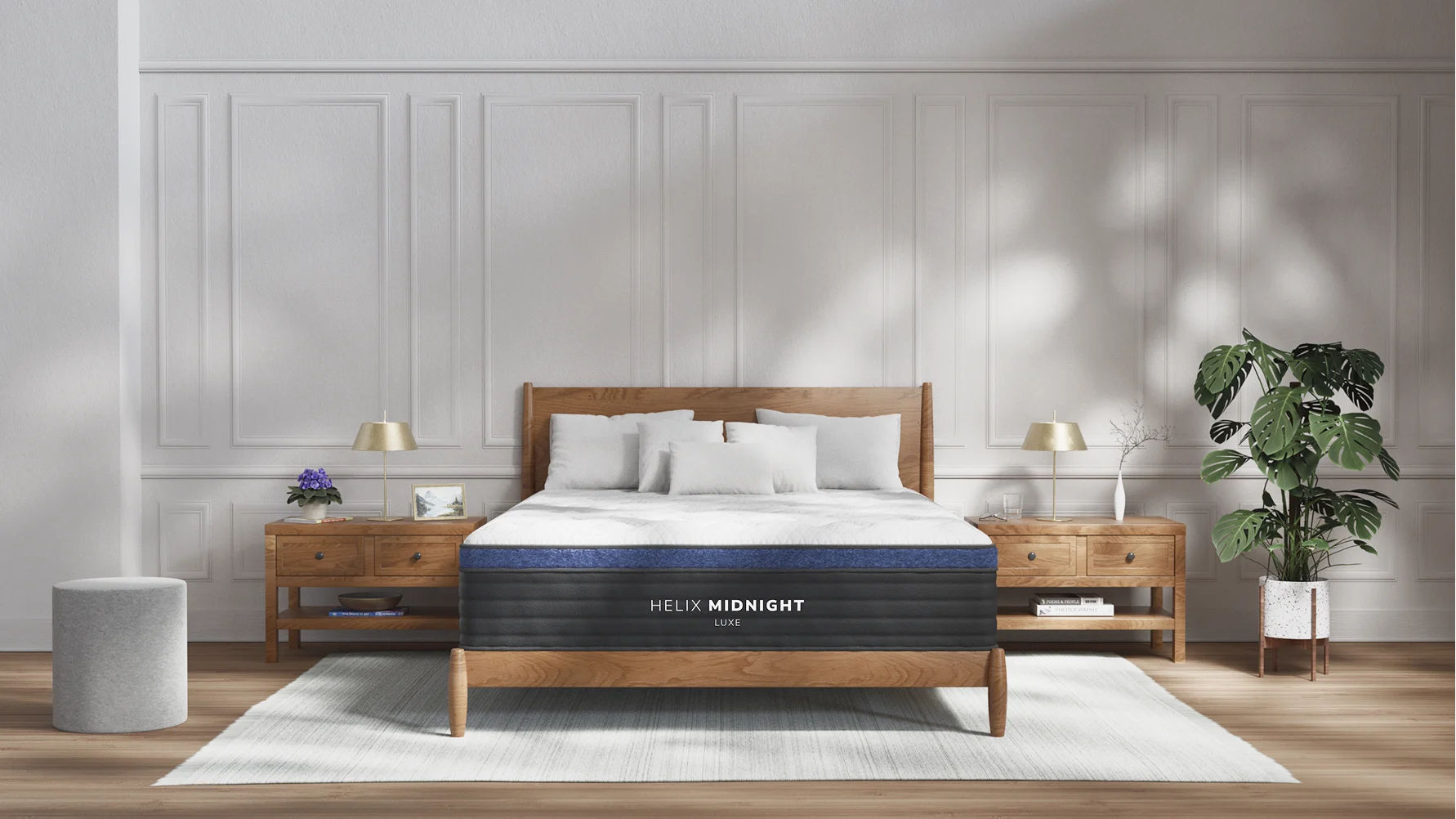
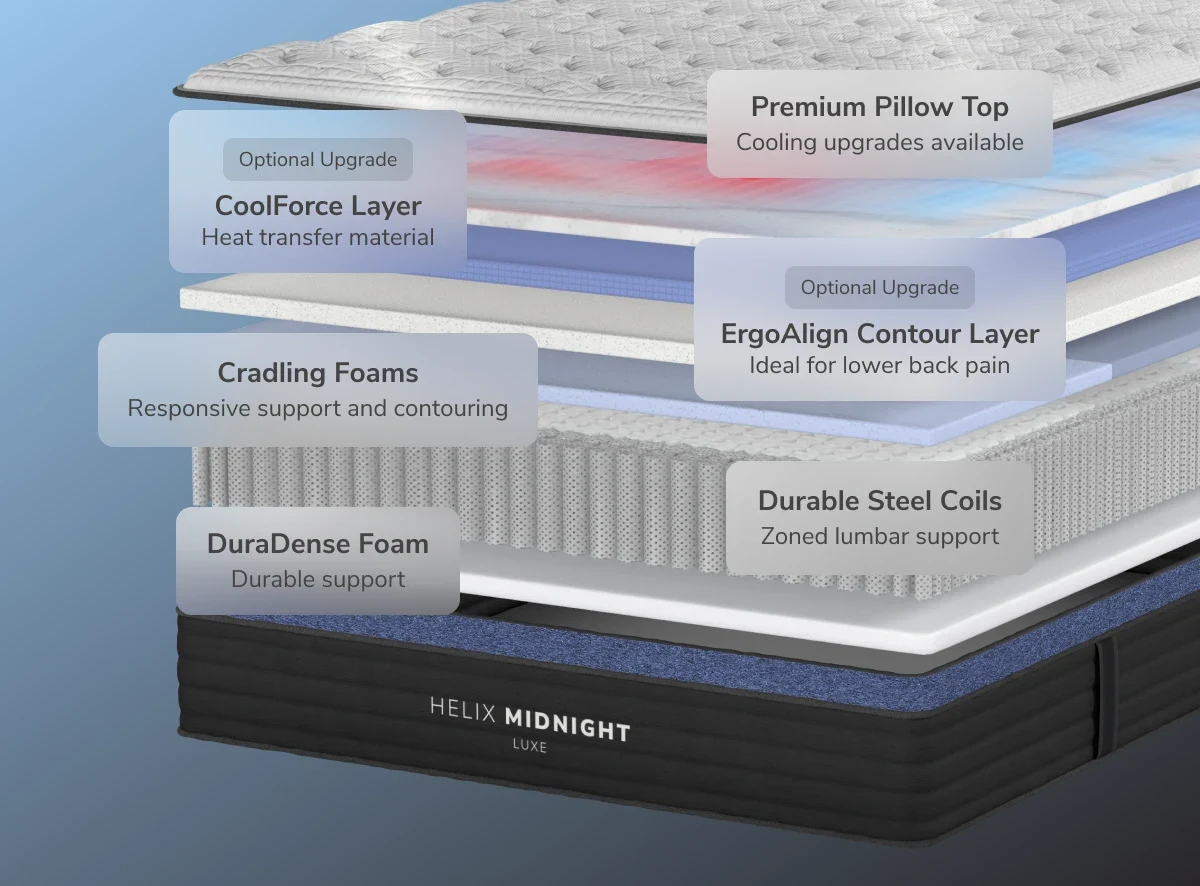
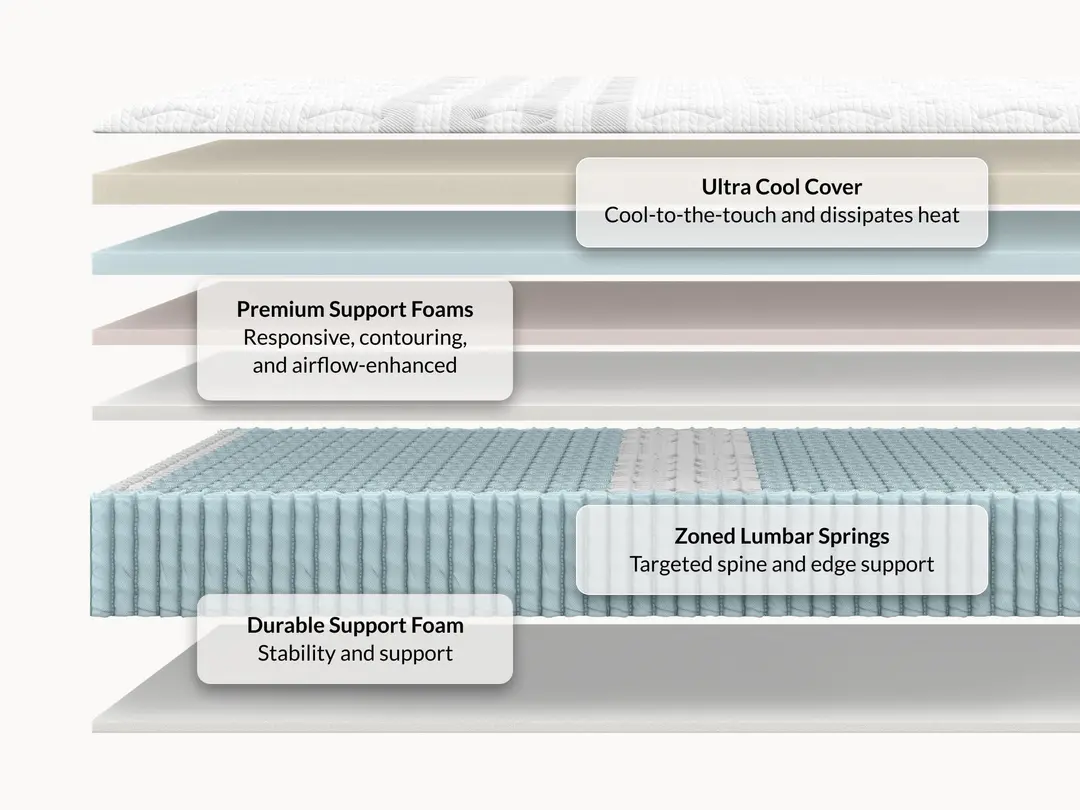
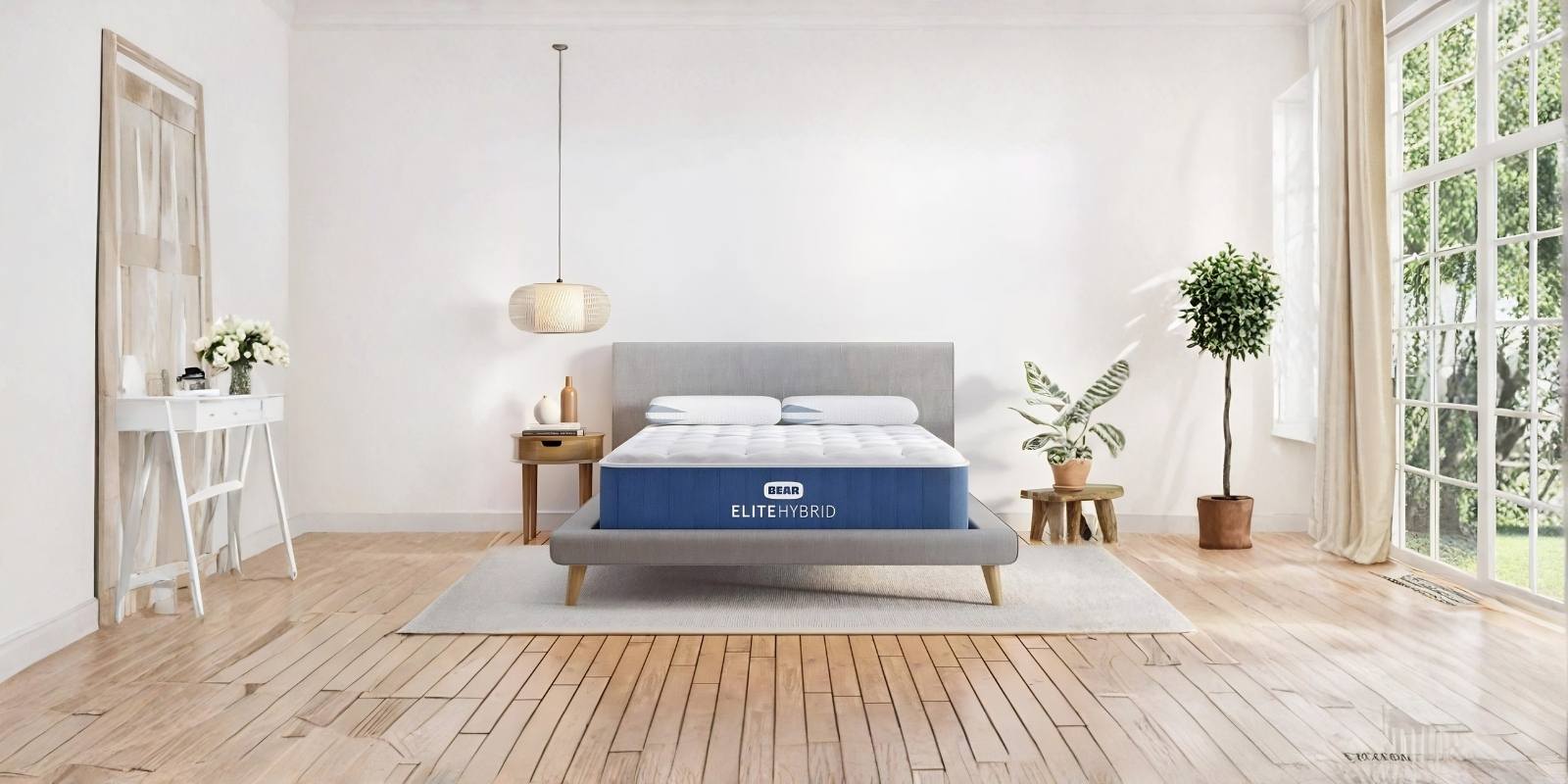
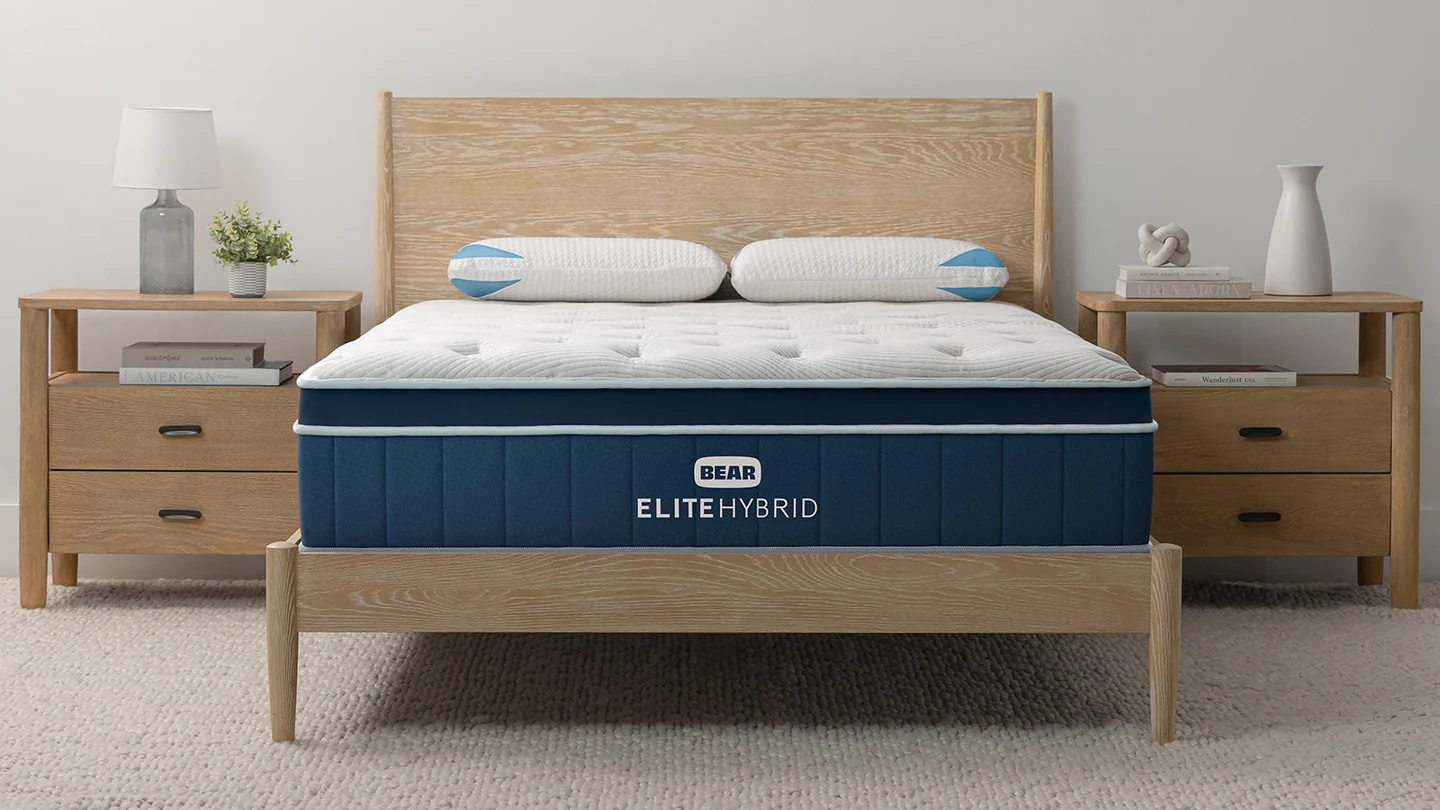
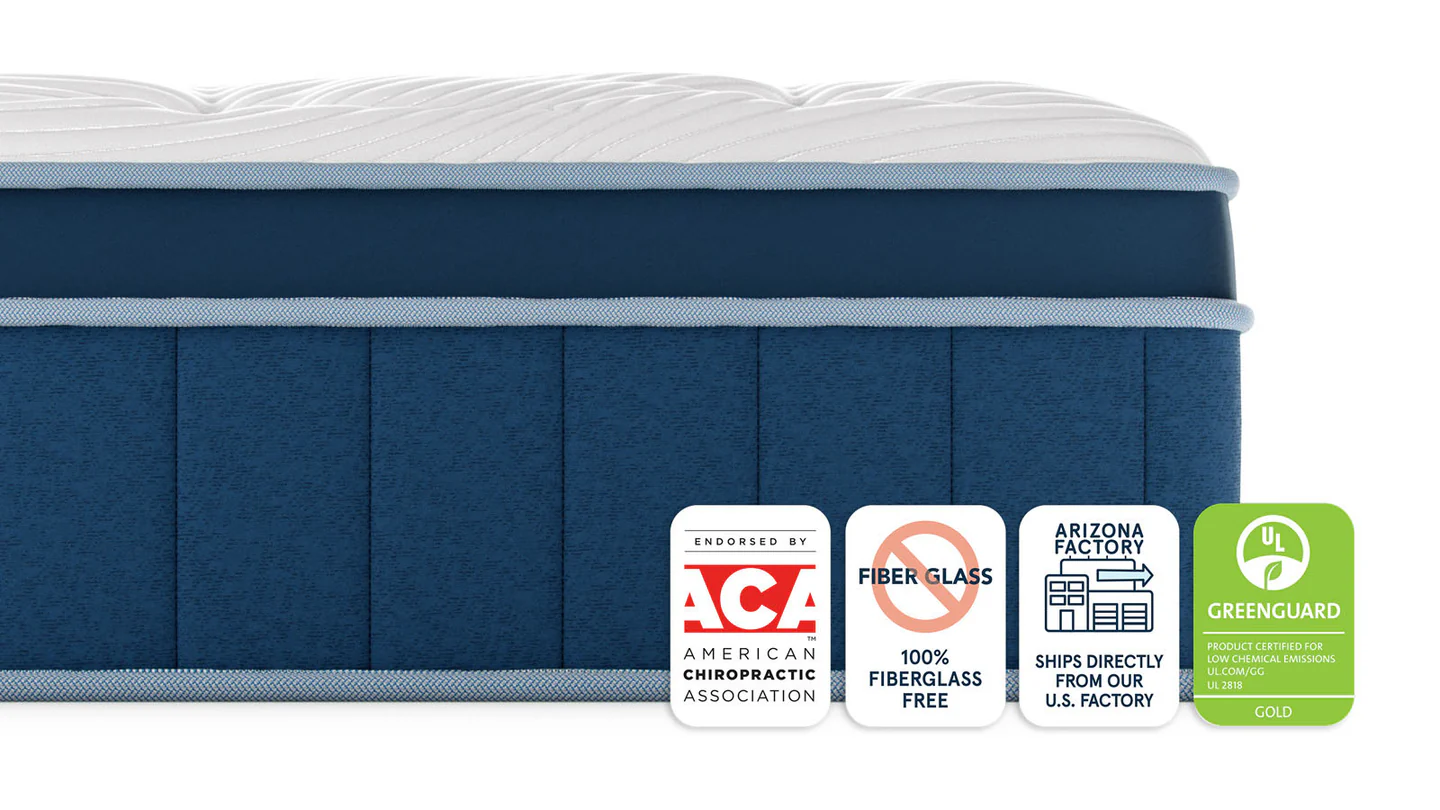
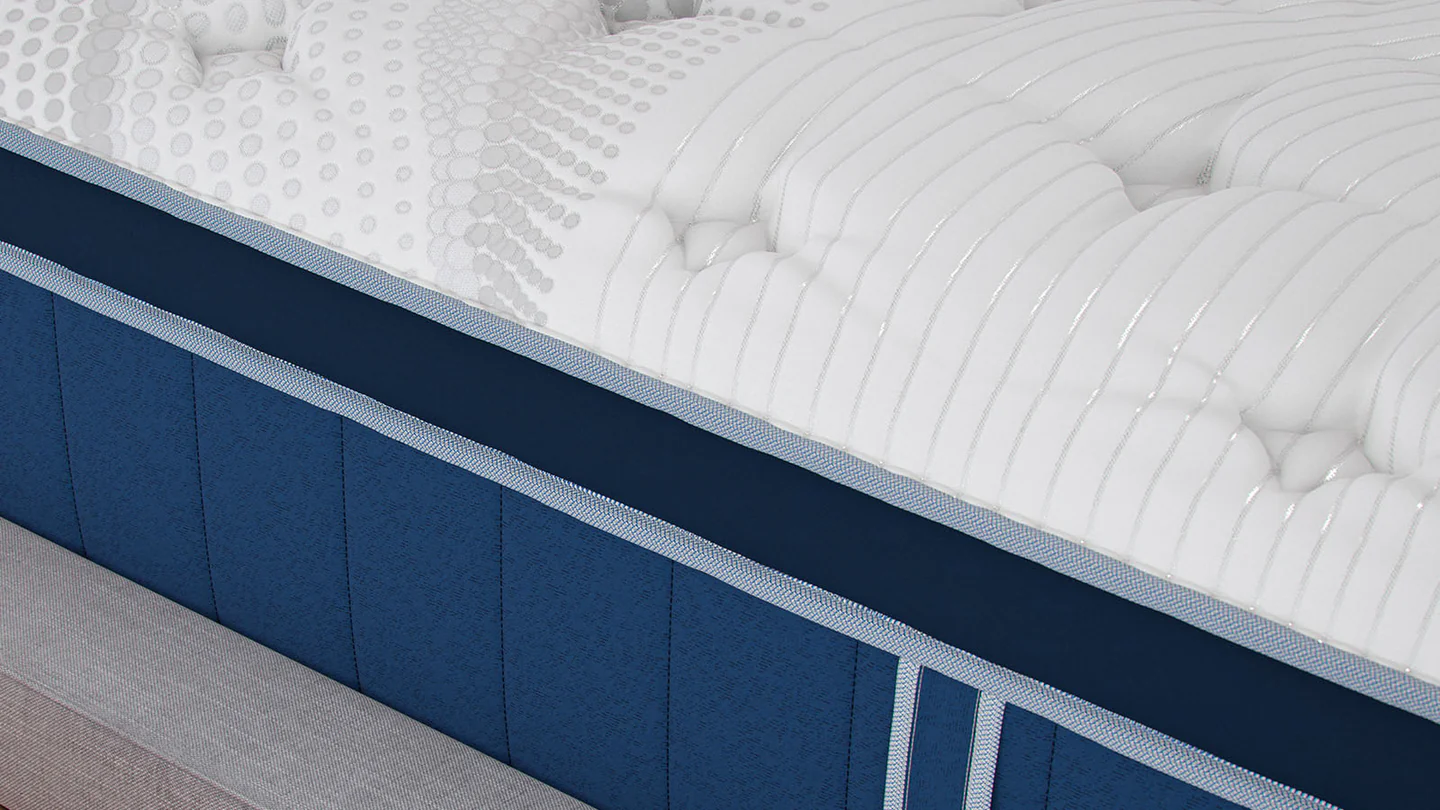
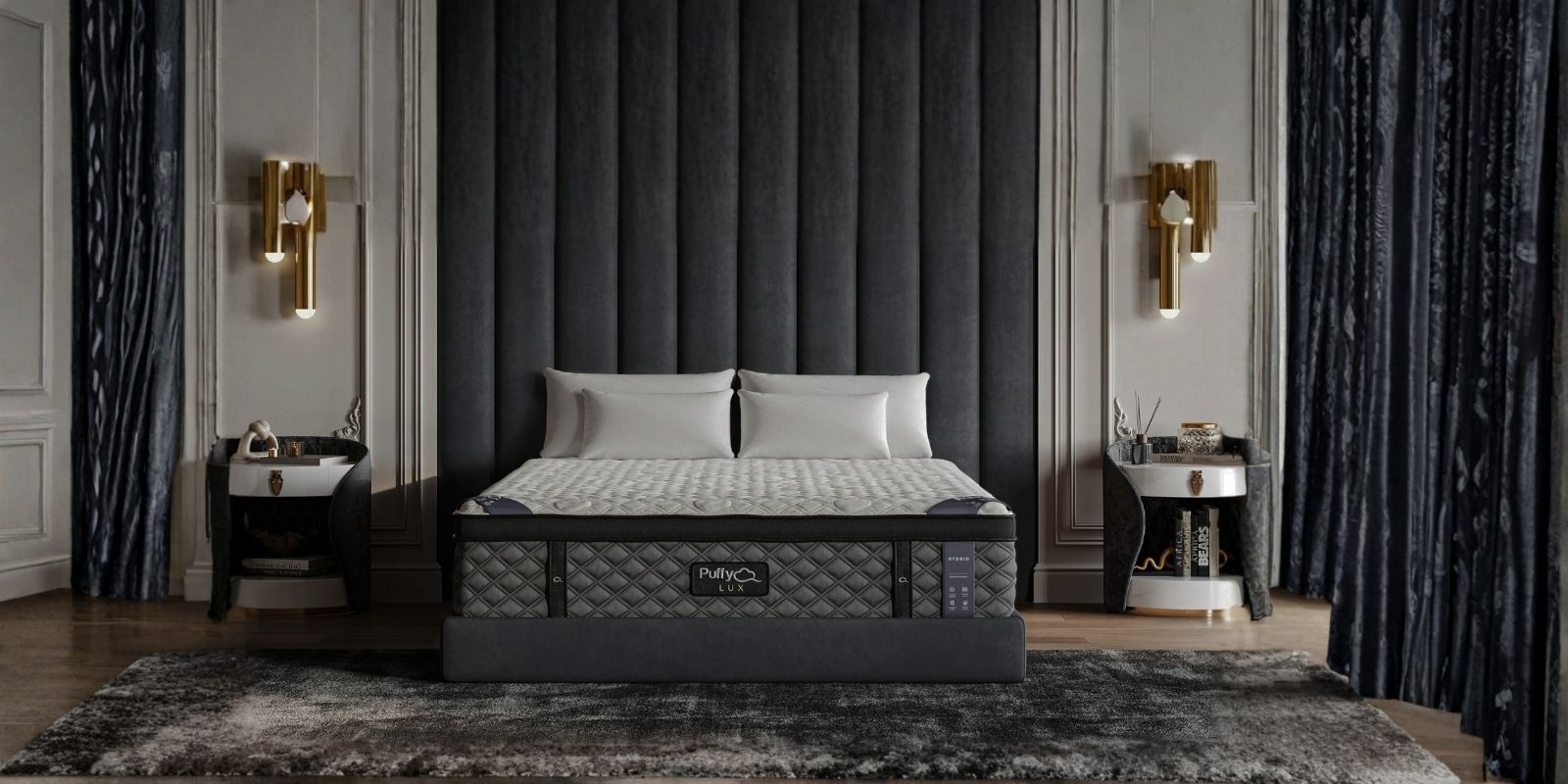
Hybrid mattresses combine foam comfort layers on top with a coil support system underneath. This design balances pressure relief with responsiveness, making it easier to move between sleep positions without feeling stuck or unstable.

Hybrid Features for Combination Sleepers:

  • Responsive coil system – Provides bounce that helps you shift positions smoothly.
  • Pressure-relieving foam layers – Cushion shoulders and hips while still supporting the back.
  • Balanced firmness feel – Soft enough for comfort, firm enough for spine alignment.
  • Consistent surface support – Helps prevent sagging as you move throughout the night.

2. Memory Foam Mattresses

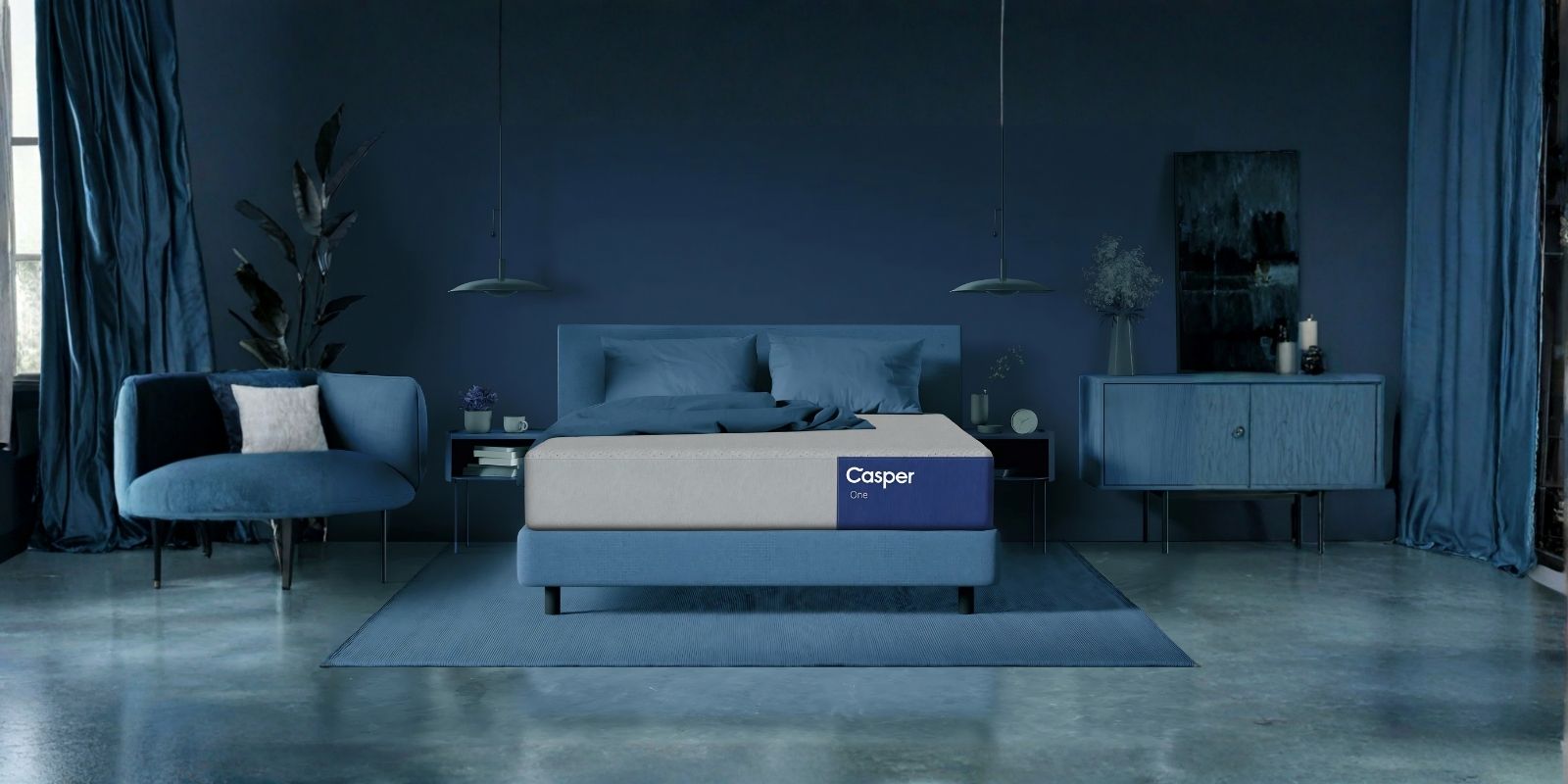
Memory foam mattresses are made from viscoelastic foam that contours closely to the body and responds to heat and pressure. They provide a cradling feel that reduces pressure points while maintaining overall support. This makes it easier for combination sleepers to switch positions comfortably without feeling the mattress resist movement.

Memory Foam Features for Combination Sleepers:

  • Body-contouring support – Reduces pressure on joints during position changes.
  • Motion absorption – Limits movement transfer for undisturbed sleep.
  • Adaptive foam layers – Adjust gradually as you change positions.
  • Targeted pressure relief – Eases tension for different sleeping postures.

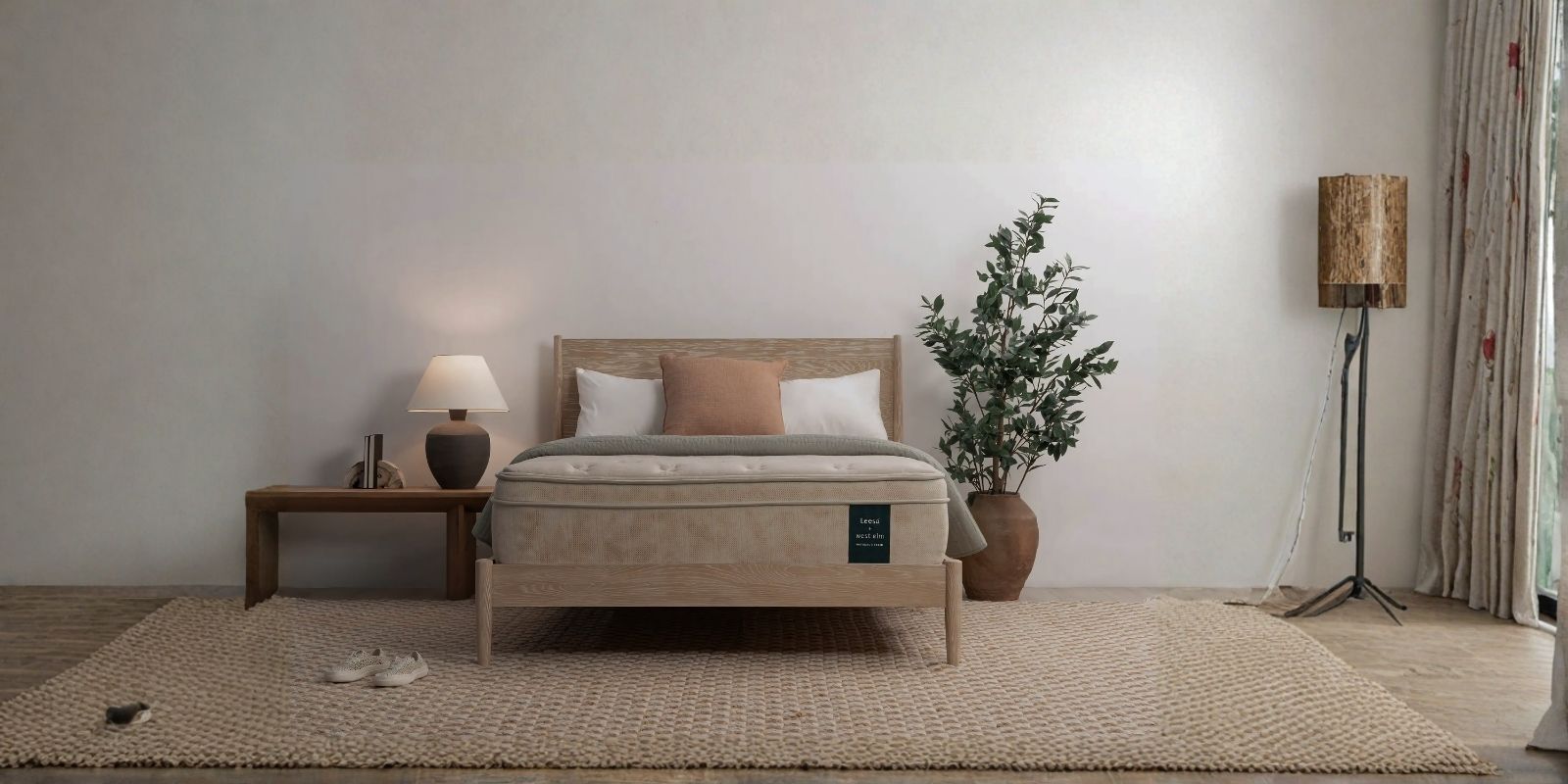
3. Natural and Organic Mattresses

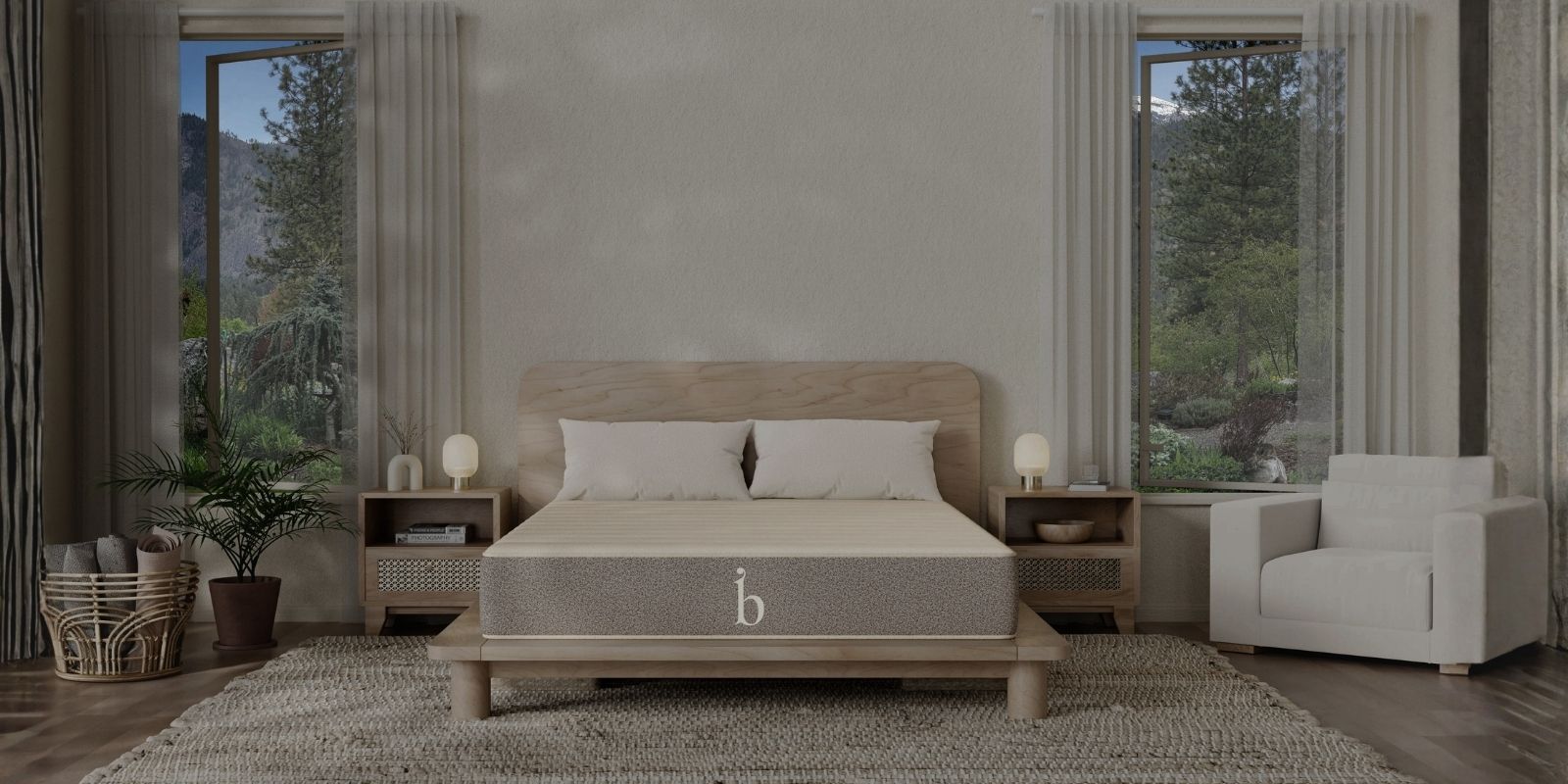
Natural and organic mattresses use materials such as latex, organic cotton, and wool to provide comfort and support. They offer a responsive feel that is both supportive and flexible, allowing combination sleepers to move easily. These mattresses are often more breathable and eco-friendly, making them a comfortable option for those seeking natural materials without sacrificing performance.

Natural and Organic Features for Combination Sleepers:

  • Latex responsiveness – Springs back quickly for easy position changes.
  • Even weight distribution – Supports the body consistently in different postures.
  • Breathable materials – Help regulate temperature and reduce restlessness.
  • Supportive yet flexible feel – Keeps the spine aligned without rigidity.

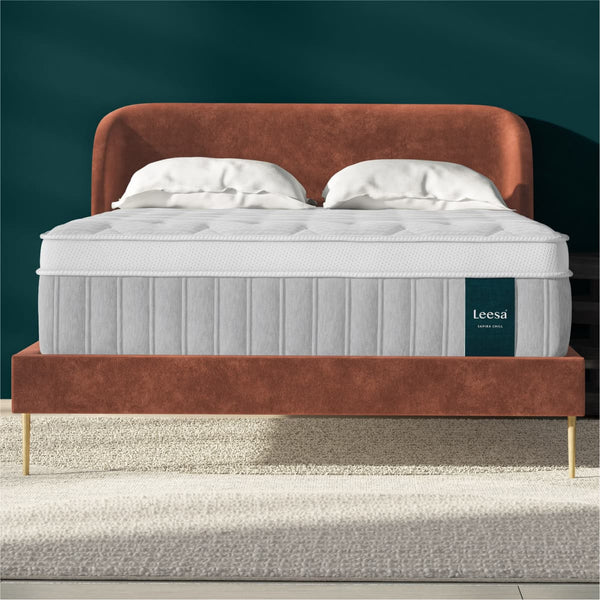
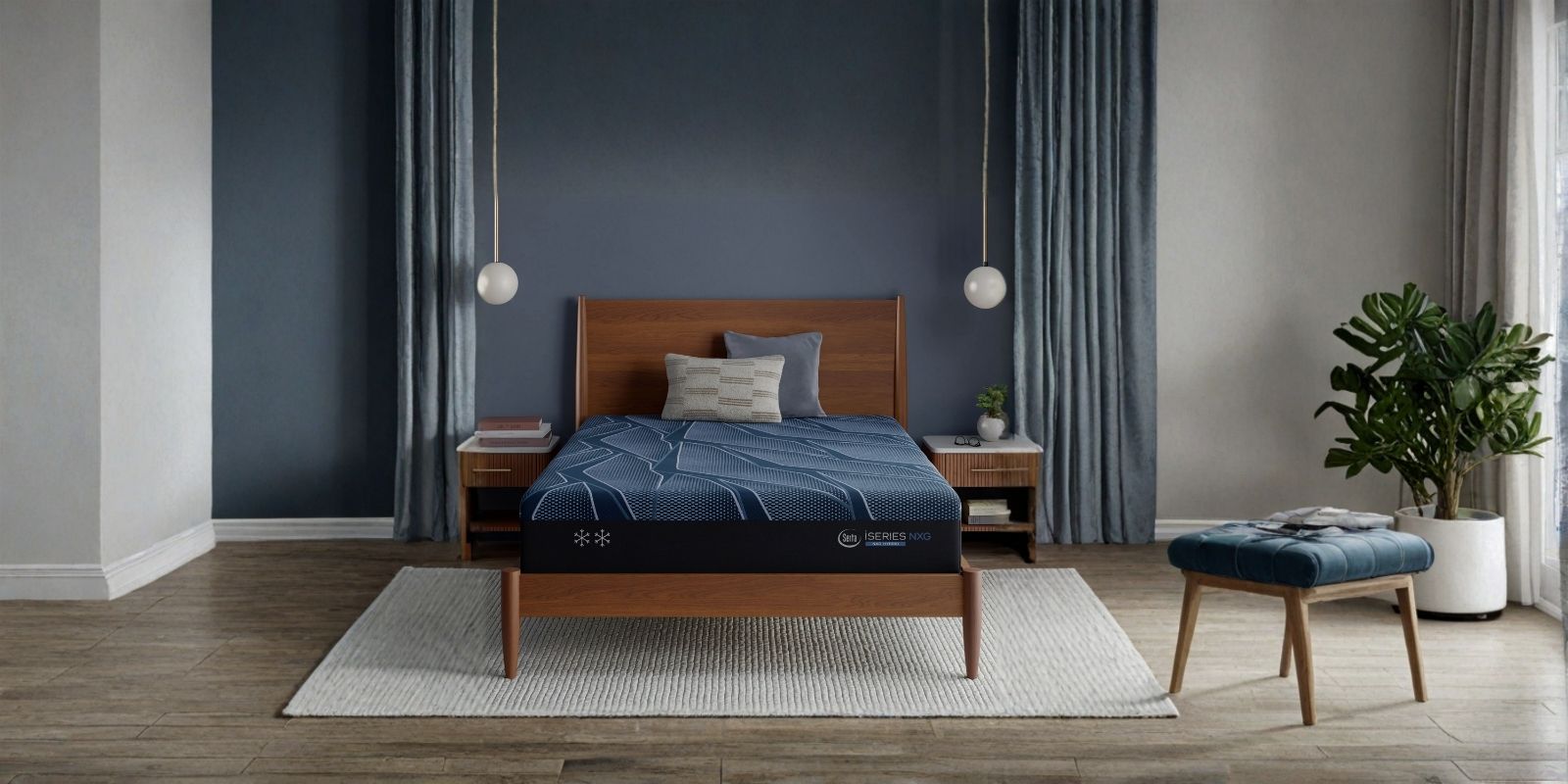
4. Cooling Mattresses

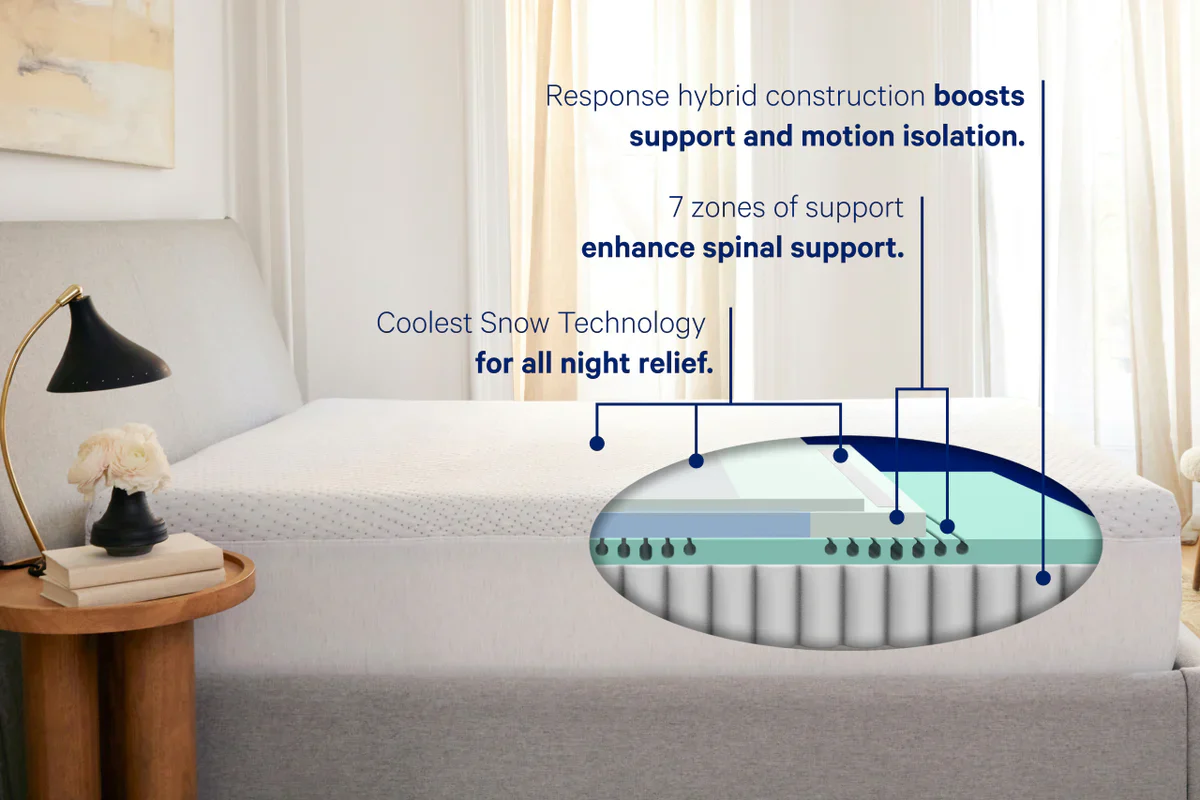
A Cooling mattress is designed to regulate body temperature during sleep. They use breathable foams, coil systems, and cooling cover fabrics to prevent heat buildup, helping sleepers stay comfortable throughout the night. This makes them especially beneficial for combination sleepers who may shift positions and generate varying amounts of heat.

Cooling Features for Combination Sleepers:

  • Breathable foam or coil systems – Promote airflow to prevent overheating.
  • Cooling cover fabrics – Maintain a comfortable surface temperature.
  • Temperature-stable comfort layers – Reduce tossing caused by heat.
  • Consistent sleep surface – Allows smooth movement throughout the night.

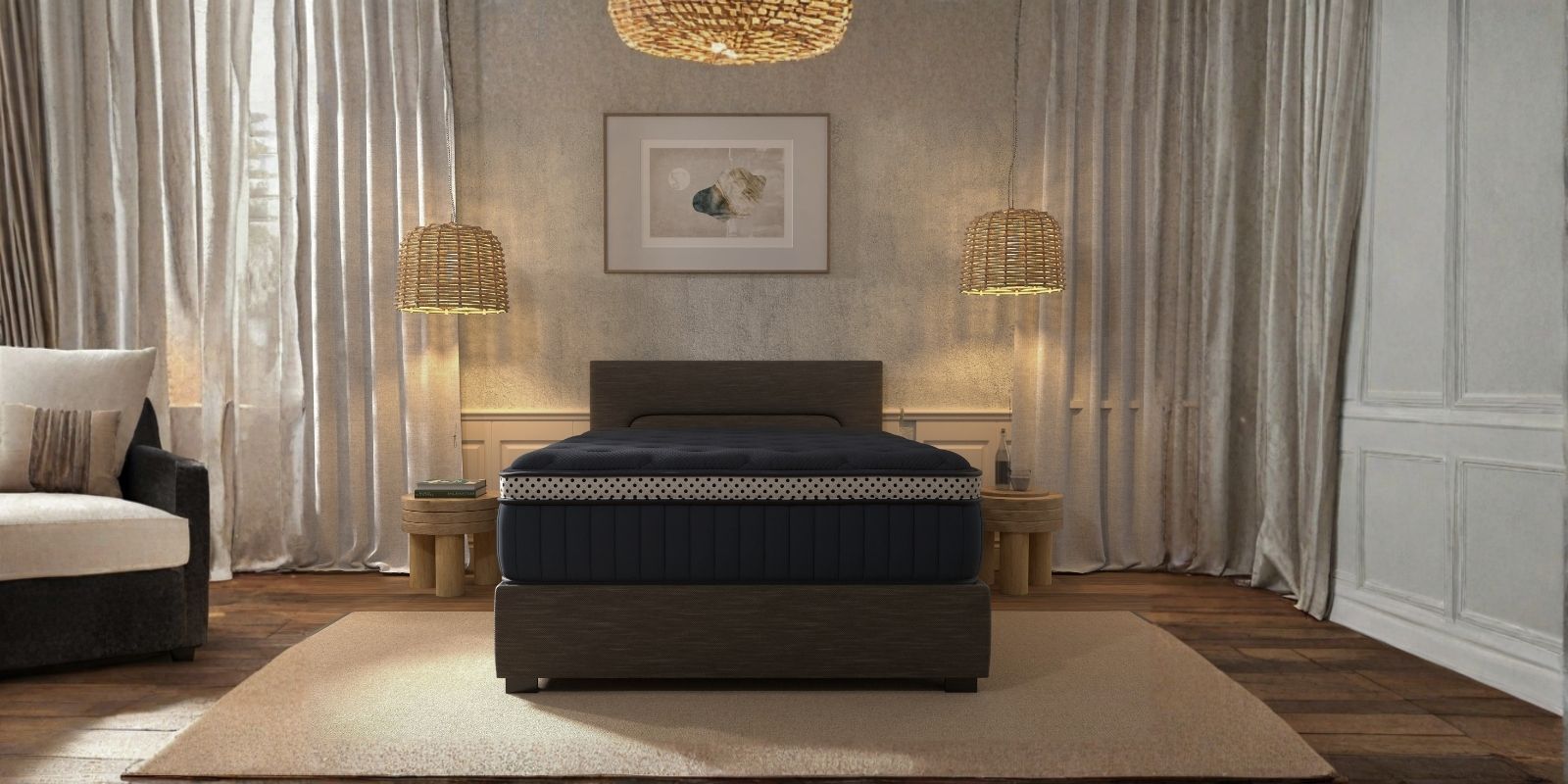
5. Modular Mattresses

Modular mattresses have removable or adjustable layers that allow sleepers to change firmness or support without replacing the entire mattress. This design provides flexibility for combination sleepers to customize comfort for side, back, or mixed positions. 

Modular Mattress Features for Combination Sleepers:

  • Adjustable firmness layers – Customize for side, back, or mixed positions.
  • Zoned support options – Keep different parts of the body supported.
  • Long-term flexibility – Adapts to changing sleep habits over time.
  • Personalized comfort control – Fine-tune the mattress feel for movement and alignment.

Final Thoughts

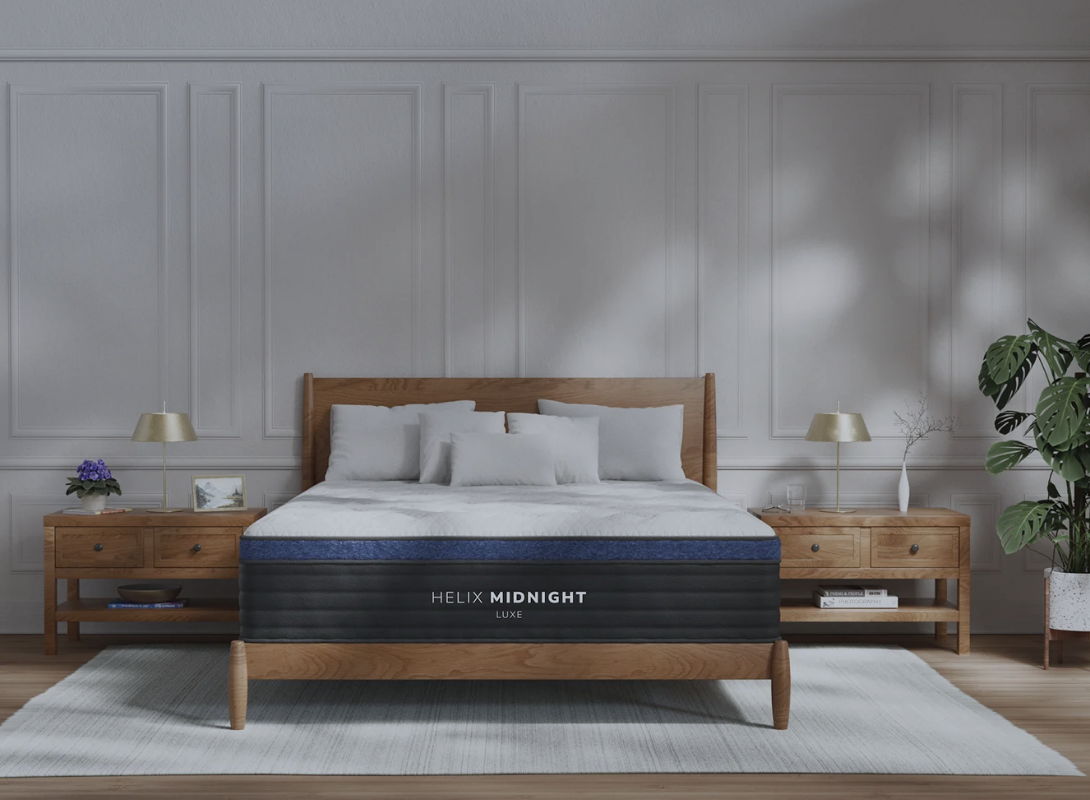
So, which mattress type is best for changing sleep positions? For most people, hybrid, natural latex, cooling, and modular mattresses offer the best balance of support and movement. Memory foam can still work, but it depends on how much you move during sleep. The best choice supports your body in any position and allows you to move freely. When your mattress works with you, sleep feels smoother and more restful.

Find the Right Mattress for Better Sleep Movement

Choosing the right mattress can make changing sleep positions feel effortless. At Mattress Lux, we offer a range of hybrid, memory foam, natural and organic, cooling, and modular mattresses built to support real sleep habits.

If you are ready to sleep more comfortably and move with ease at night, contact us today at (470) 523-3145  explore mattress options designed for your needs.

FAQs

What mattress type is best for combination sleepers?

Hybrid mattresses are often the best choice because they balance comfort, support, and easy movement.

Is memory foam bad for changing sleep positions?

Not always. Some people find it too slow to respond, but lighter sleepers or those who move less may still like it.

Does firmness matter if I change positions often?

Yes. Medium or medium-firm mattresses usually support multiple sleep positions best.

Do cooling mattresses really help with movement?

They can. Staying cool reduces restlessness and helps you move more naturally during sleep.

Are modular mattresses worth it for active sleepers?

If you want adjustable comfort over time, modular mattresses are a smart option.